Thursday, January 30, 2025

Understanding the Importance of Microbiology Testing on Food Samples

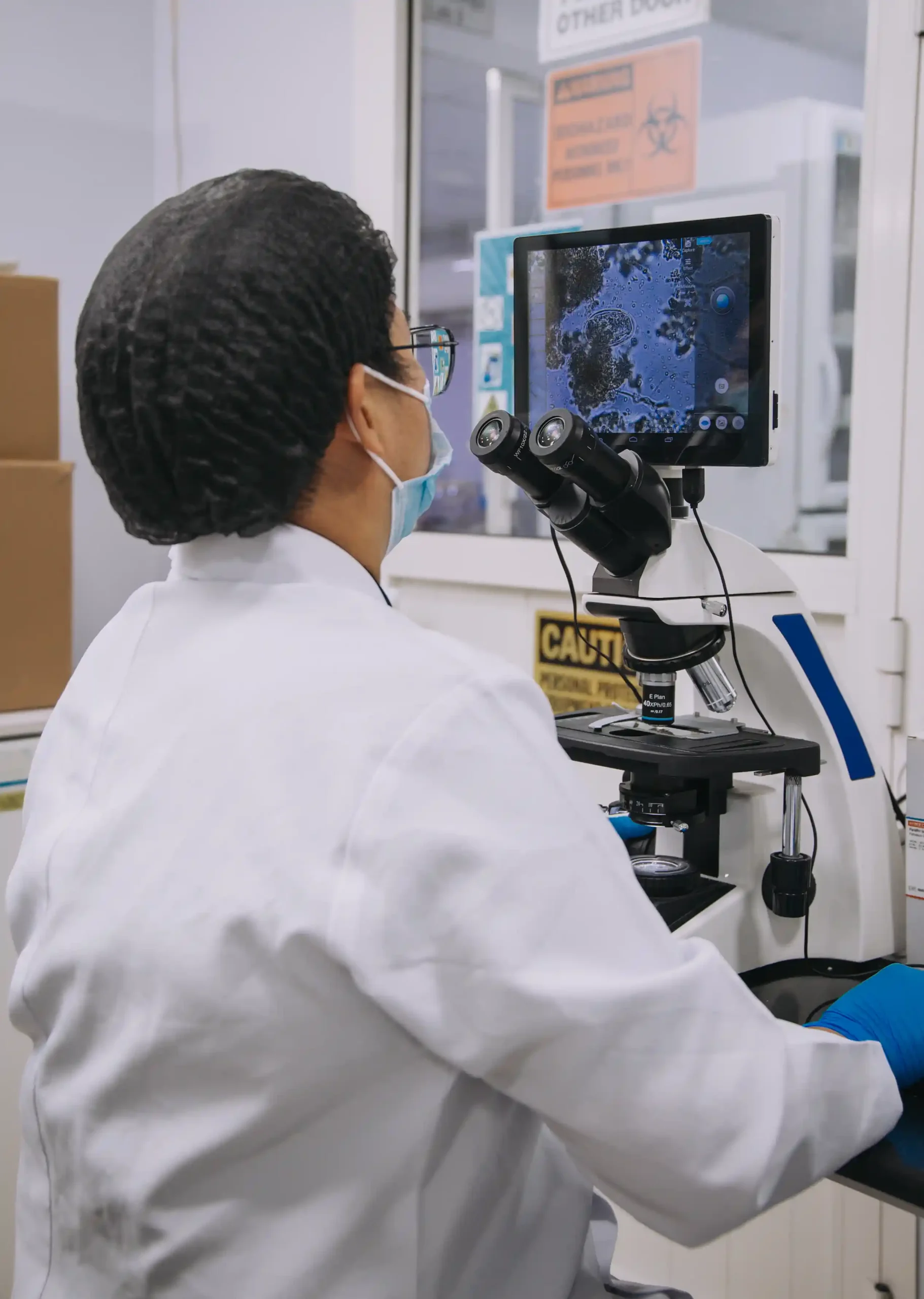
In the food industry, ensuring the safety and quality of food products is paramount. Microbiology testing on food samples plays a critical role in achieving this goal. By identifying harmful microorganisms that could pose health risks to consumers, this process helps maintain the integrity of food products and protects public health. In this blog, we’ll explore the importance of food microbiology testing on food samples and how it benefits both producers and consumers alike.

What is Microbiology Testing on Food Samples?

Microbiology testing involves analyzing food samples to detect the presence of microorganisms such as bacteria, fungi, yeast, molds, and viruses. These microorganisms can cause foodborne illnesses, spoilage, and degradation of food quality. The goal of microbiology testing is to identify and quantify any harmful microbes before food reaches consumers.

Common foodborne pathogens detected in microbiology testing include:

  • Salmonella
  • Escherichia coli (E. coli)
  • Listeria monocytogenes
  • Campylobacter
  • Clostridium botulinum

These pathogens can lead to serious health issues, including food poisoning, gastrointestinal infections, and, in severe cases, death. Microbiology testing serves as a preventive measure to detect these pathogens early and ensure the safety of food products.

Why is Microbiology Testing Essential?

  1. Ensures Food Safety

The primary reason for microbiology testing on food samples is to ensure food safety. Foodborne illnesses are a significant public health concern worldwide. According to the World Health Organization (WHO), approximately 600 million people fall ill each year from consuming contaminated food. By performing microbiology testing, food manufacturers and suppliers can identify harmful microorganisms that may be present in raw ingredients, finished products, or during food processing.

Testing also ensures that food products meet the microbiological safety standards set by regulatory bodies like the U.S. Food and Drug Administration (FDA) and the European Food Safety Authority (EFSA). This helps in preventing potential outbreaks of foodborne diseases.

  1. Prevents Food Spoilage

Beyond pathogens, microorganisms such as molds and yeasts can also cause food spoilage, impacting the taste, texture, and visual appeal of food products. By testing food samples for these microorganisms, producers can detect early signs of spoilage and take corrective actions to preserve the quality and freshness of food. This is particularly important in the production of perishable items such as dairy, meats, and ready-to-eat meals.

  1. Maintains Consumer Confidence

Consumers today are more health-conscious than ever, and they expect food products to be safe and free from harmful microorganisms. By regularly conducting microbiology testing, food manufacturers can ensure that their products meet the highest safety and quality standards. This not only prevents costly product recalls but also boosts consumer confidence in the brand.

A product with a proven record of safety is more likely to be trusted by consumers, which can lead to increased sales and brand loyalty.

  1. Supports Compliance with Regulations

The food industry is heavily regulated, with strict guidelines regarding food safety and hygiene. Microbiology testing on food samples ensures that manufacturers comply with these regulations. By testing their products before they are released to the market, food producers can avoid legal consequences, penalties, and damage to their reputation.

Regulatory agencies in various regions have specific requirements for microbiology testing. For example, the FDA has established microbiological criteria for certain food categories, and non-compliance could lead to severe consequences. Regular microbiology testing helps ensure that food products meet these standards.

  1. Improves Shelf Life

Microorganisms can significantly affect the shelf life of food products. Contamination by bacteria and molds can accelerate spoilage, reducing the product’s freshness and quality. Through microbiology testing, manufacturers can identify the presence of these microbes and adjust their production processes accordingly to extend shelf life. This is particularly important for processed foods, where shelf stability is a key factor in their commercial viability.

By managing microbial contamination, producers can offer products with a longer shelf life, reducing waste and improving profitability.

How is Microbiology Testing Performed?

Microbiology testing involves several methods depending on the type of microorganisms being tested for. Some common testing methods include:

  • Culture-based methods: These involve growing microorganisms from food samples in nutrient-rich media to identify and count colonies of bacteria, fungi, and yeasts.
  • Polymerase Chain Reaction (PCR): This molecular technique detects specific DNA or RNA from microorganisms, allowing for faster and more precise identification of pathogens.
  • Immunological methods: These tests use antibodies to detect specific pathogens or toxins present in the food sample.
  • Rapid test kits: These are pre-packaged testing kits designed for quick detection of common foodborne pathogens.

The chosen method will depend on the type of food, the microorganism being tested for, and the speed required for results.

Conclusion

Microbiology testing on food samples is an essential process that ensures the safety, quality, and longevity of food products. It helps prevent foodborne illnesses, preserves product quality, and boosts consumer trust. By adhering to strict microbiological standards, food producers can protect public health, meet regulatory requirements, and maintain their brand reputation.

In an industry where consumer safety is critical, microbiology testing is not just a regulatory requirement; it’s an investment in the long-term success of food businesses. If you’re in the food industry, prioritizing microbiology testing should be at the top of your quality control strategy.

For more information on microbiology testing services and how it can benefit your food production process, feel free to reach out to our team at CoreLab. We specialize in providing comprehensive food safety testing services that meet the highest industry standards.
Share:

Wednesday, January 29, 2025

Why Environmental Impact Assessments are Crucial for Sustainable Development

In today’s rapidly changing world, the balance between development and environmental preservation has become more critical than ever. With the increasing pressure of urbanization, industrialization, and infrastructure growth, it is essential to ensure that development projects do not harm our ecosystems, wildlife, or natural resources. This is where an environment impact assessment plays a pivotal role. EIAs are crucial tools that help guide decision-making processes for sustainable development, ensuring that both economic growth and environmental protection go hand in hand.

In this blog, we will explore why environmental impact assessments are essential for fostering sustainable development and how they contribute to safeguarding our planet for future generations.

What is an Environment Impact Assessment (EIA)?

An environment impact assessment (EIA) is a process used to evaluate the potential environmental effects of a proposed project or development. It involves studying the impacts on air, water, soil, biodiversity, and human health, both in the short and long term. EIAs are conducted before a project begins to determine any possible negative effects and recommend measures to mitigate or avoid these impacts.

Governments, regulatory bodies, and private sector organizations require an EIA as part of the approval process for various projects, such as construction, infrastructure development, mining, and more. This systematic assessment ensures that development projects comply with environmental regulations and are in line with sustainability goals.

1. Mitigating Negative Environmental Impacts

One of the main reasons environment impact assessments are crucial for sustainable development is their ability to identify and mitigate negative environmental impacts before they occur. By evaluating the potential consequences of a project, EIAs help developers understand the risks to ecosystems, wildlife, water resources, and local communities.

For example, a large-scale construction project might threaten a local habitat or pollute nearby water bodies. The EIA process would flag these risks and recommend alternative strategies, such as shifting the project location or incorporating green infrastructure, to minimize damage to the environment. This early intervention ensures that development proceeds in a way that does not lead to irreversible environmental degradation.

2. Promoting Long-Term Sustainability

Sustainability is at the core of any environmentally-conscious development. environmental impact assessments promote long-term sustainability by ensuring that projects consider the environmental, social, and economic aspects of development.

By analyzing how a project may affect local ecosystems and communities, an EIA provides insights into how to design and execute the project in a way that minimizes harm and supports the broader goal of sustainable development. This can include recommending energy-efficient technologies, waste management systems, and water conservation practices to reduce the project’s overall ecological footprint.

3. Ensuring Compliance with Regulations

In many countries, conducting an environment impact assessment is not just a recommendation—it’s a legal requirement. Environmental regulations are put in place to protect natural resources and public health, and EIA ensures that projects adhere to these regulations.

By carrying out an EIA, developers demonstrate their commitment to environmental stewardship and  compliance with both local and international laws. This helps avoid legal complications, fines, and delays during the development process. Furthermore, the EIA process provides transparency, as it is often subject to public review, allowing stakeholders to voice concerns and contribute to the decision-making process.

4. Enhancing Public Awareness and Participation

One of the often-overlooked benefits of environment impact assessments is their role in raising public awareness and encouraging stakeholder participation. EIAs are typically shared with the public, allowing local communities, environmental organizations, and other interested parties to provide feedback on the potential environmental effects of a project.

This inclusion helps ensure that local knowledge and concerns are taken into account during the planning stages, and it allows for collaborative problem-solving. By involving the public in the process, EIAs contribute to more responsible and informed decision-making, fostering a sense of community engagement and environmental responsibility.

5. Preventing Costly Environmental Damage

Ignoring environmental concerns during the planning stages of a project can lead to costly damage that may be difficult or impossible to reverse. For instance, projects that harm local wildlife, pollute water sources, or degrade soil quality can lead to long-term economic costs, including loss of biodiversity, legal penalties, and reputational damage.

By conducting an EIA early in the process, developers can identify and address potential environmental risks, reducing the likelihood of expensive remediation efforts later on. Additionally, by integrating sustainable practices into a project from the start, companies may benefit from long-term cost savings through energy efficiency, waste reduction, and improved resource management.

6. Enhancing Reputation and Stakeholder Trust

In today’s business environment, a company’s reputation is crucial for attracting investors, clients, and customers. Conducting a thorough environment impact assessment not only ensures that a project complies with environmental regulations but also demonstrates a commitment to sustainability and corporate social responsibility.

Stakeholders, including investors, consumers, and employees, are increasingly prioritizing sustainability. A company that takes proactive steps to assess and mitigate the environmental impacts of its projects is more likely to gain the trust and support of these groups. In turn, this positive reputation can drive business success and lead to a more loyal customer base.

7. Facilitating Strategic Decision-Making

An environment impact assessment provides critical data that can guide strategic decision- making. By evaluating various environmental factors, EIAs help developers make informed decisions on how to proceed with a project. Whether it’s choosing a more sustainable construction material, altering the project’s design to preserve local habitats, or implementing energy-efficient practices, an EIA provides the knowledge needed to align the project with sustainable development goals.

This informed decision-making also ensures that the project is more resilient in the face of environmental challenges, such as climate change and resource scarcity, and can be adapted to future needs.

Conclusion: EIA’s Role in Shaping a Sustainable Future

As the world faces growing environmental challenges, the need for sustainable development practices has never been more urgent. environmental impact assessments are crucial in guiding projects that balance growth with environmental protection. By identifying potential environmental risks, promoting long-term sustainability, ensuring regulatory compliance, and engaging the public, EIAs contribute to the responsible development of infrastructure and industries.

For companies, governments, and organizations aiming to foster sustainable development, conducting a thorough environment impact assessment is not just a regulatory requirement—it is an investment in the future of our planet and its resources. If you’re planning a project, consider partnering with professionals to conduct a comprehensive EIA that aligns with both your development goals and sustainability objectives.

Visit CORE Laboratory to learn more about how Environmental Impact Assessments can help your projects stay on track while safeguarding the environment.

Blog source: https://corelab.org/why-environmental-impact-assessments-are-crucial-for-sustainable-development/

Share:

Tuesday, January 28, 2025

The Role of Air and Biogas Monitoring in Sustainable Sewage Treatment Plants

In recent years, there has been growing awareness about the importance of sustainability in environmental management, particularly in sewage treatment plants (STPs). As the global population continues to rise, sewage treatment plants play an essential role in protecting both human health and the environment. A key part of making sewage treatment plants sustainable is the effective management of air and biogas emissions, ensuring they operate efficiently and in compliance with environmental standards. One critical aspect of ensuring both safety and operational efficiency in STPs is Helminth Ova Analysis – an often-overlooked but essential component of wastewater management.


In this blog, we’ll discuss how air and biogas monitoring systems contribute to the sustainability of STPs and how Helminth Ova Analysis plays a critical role in maintaining the safety and hygiene of the treatment process.

The Importance of Air and Biogas Monitoring in Sewage Treatment Plants

Sewage treatment plants process large volumes of wastewater, making them a key component of urban infrastructure. However, they also produce various gases, including methane, carbon dioxide, and hydrogen sulfide, which can pose environmental and health risks if not properly managed. Biogas, primarily composed of methane, is a byproduct of the anaerobic digestion process in STPs and can be used as a renewable energy source. Air quality monitoring, along with biogas monitoring, is essential to:

Control Pollutants and Toxic Emissions: By continuously monitoring the air quality within STPs, operators can detect the presence of harmful gases such as hydrogen sulfide, which is toxic even in small quantities. Early detection allows for prompt action, preventing dangerous situations for both the plant’s workforce and nearby communities.

Ensure Compliance with Regulations: Many countries have strict environmental regulations regarding the emissions from sewage treatment plants. Air and biogas monitoring ensure that plants stay within legal emission limits, helping them comply with standards set by environmental agencies.

Maximize Energy Efficiency: Biogas generated by STPs can be harnessed as a renewable energy source. Monitoring biogas production helps maximize methane recovery, reducing reliance on external energy sources and lowering operational costs.

Improve Operational Safety: Continuous monitoring allows for the early detection of any anomalies, preventing malfunctions and accidents. For example, an unexpected increase in methane levels could be a sign of a blockage or malfunction in the biogas collection system, which could lead to dangerous situations if left unaddressed.

Helminth Ova Analysis: A Crucial Step in Ensuring Public Health and Sustainability

While air and biogas monitoring are vital for the sustainability of STPs, there’s another aspect of wastewater treatment that is often overlooked: Helminth Ova Analysis. Helminths are parasitic worms that can contaminate sewage and wastewater, potentially causing serious public health concerns if not properly treated. These parasitic eggs, known as ova, can survive in sewage sludge and may contaminate the environment or enter the food chain if not effectively removed during the treatment process.

Helminth Ova Analysis plays a critical role in identifying and quantifying the presence of these dangerous organisms in treated sewage. By performing this analysis, operators can ensure that sewage sludge is safe to use for agricultural purposes or is appropriately disposed of to avoid contamination.

Why Helminth Ova Analysis is Vital for Sustainable STP Operations:

Preventing the Spread of Waterborne Diseases: Helminths, including hookworms, roundworms, and tapeworms, are commonly transmitted through contaminated water. If treated wastewater or sludge is not properly monitored and sanitized, there’s a risk of these organisms being released back into the environment, endangering public health.

Improving the Quality of Recycled Water: Many STPs now treat and recycle water for non-potable uses, such as irrigation or industrial cooling. Helminth Ova Analysis ensures that the water produced meets public health standards, especially when it is used in agricultural applications. This is essential to prevent contamination of crops, which could eventually reach consumers.


Ensuring Compliance with Health and Safety Standards:
 Different countries have set regulatory standards for the allowable levels of Helminth ova in treated wastewater. Performing regular Helminth Ova Analysis ensures that STPs meet these requirements, reducing the risk of fines, regulatory penalties, and potential damage to their reputation.


Reducing Environmental Impact:
 For STPs that use treated sludge as a soil amendment or fertilizer, Helminth Ova Analysis is necessary to ensure that no harmful parasites are being introduced into agricultural fields. By managing helminth contamination, STPs help maintain the health of local ecosystems and support sustainable agricultural practices.

How Air and Biogas Monitoring Enhance Helminth Ova Removal

Interestingly, there is an indirect connection between air and biogas monitoring and the effective removal of Helminth ova. The anaerobic digestion process, which generates biogas, is also a key step in the treatment of sewage sludge. During this process, organic matter is broken down, and harmful pathogens, including helminth eggs, are often destroyed.

Monitoring the efficiency of anaerobic digestion through biogas production levels and air quality can help operators assess whether the conditions within the digester are optimal for pathogen reduction. By ensuring that the system is functioning efficiently, operators can increase the likelihood that Helminth ova will be eliminated, contributing to both public health safety and the overall sustainability of the treatment process.

The Future of Sustainable STPs: Integrating Monitoring Systems

As the demand for cleaner, more sustainable wastewater treatment grows, the integration of comprehensive monitoring systems will become even more critical. Air and biogas monitoring will continue to play a key role in optimizing energy use and minimizing environmental impact, while Helminth Ova Analysis will ensure that sewage treatment processes do not compromise public health or environmental quality.

The combination of these monitoring technologies ensures that sewage treatment plants not only meet regulatory requirements but also contribute to a more sustainable and healthy future.

Conclusion

In the journey toward more sustainable sewage treatment plants, the role of air and biogas monitoring is indispensable. It helps maintain operational efficiency, reduces environmental impacts, and supports renewable energy production. When combined with Helminth Ova Analysis, these systems ensure that treated wastewater and sludge are safe for public health and the environment.

As we move forward, investing in advanced monitoring technologies will be key to achieving more efficient, safe, and sustainable wastewater treatment practices. Whether it’s through reducing emissions, optimizing biogas production, or ensuring safe reuse of treated sludge, the integration of comprehensive monitoring systems will pave the way for a cleaner and healthier world.

Blog source: https://corelab.org/the-role-of-air-and-biogas-monitoring-in-sustainable-sewage-treatment-plants/

Share:

Monday, January 27, 2025

The Ultimate Guide to Testing Hydrogen Sulfide Levels in the Air

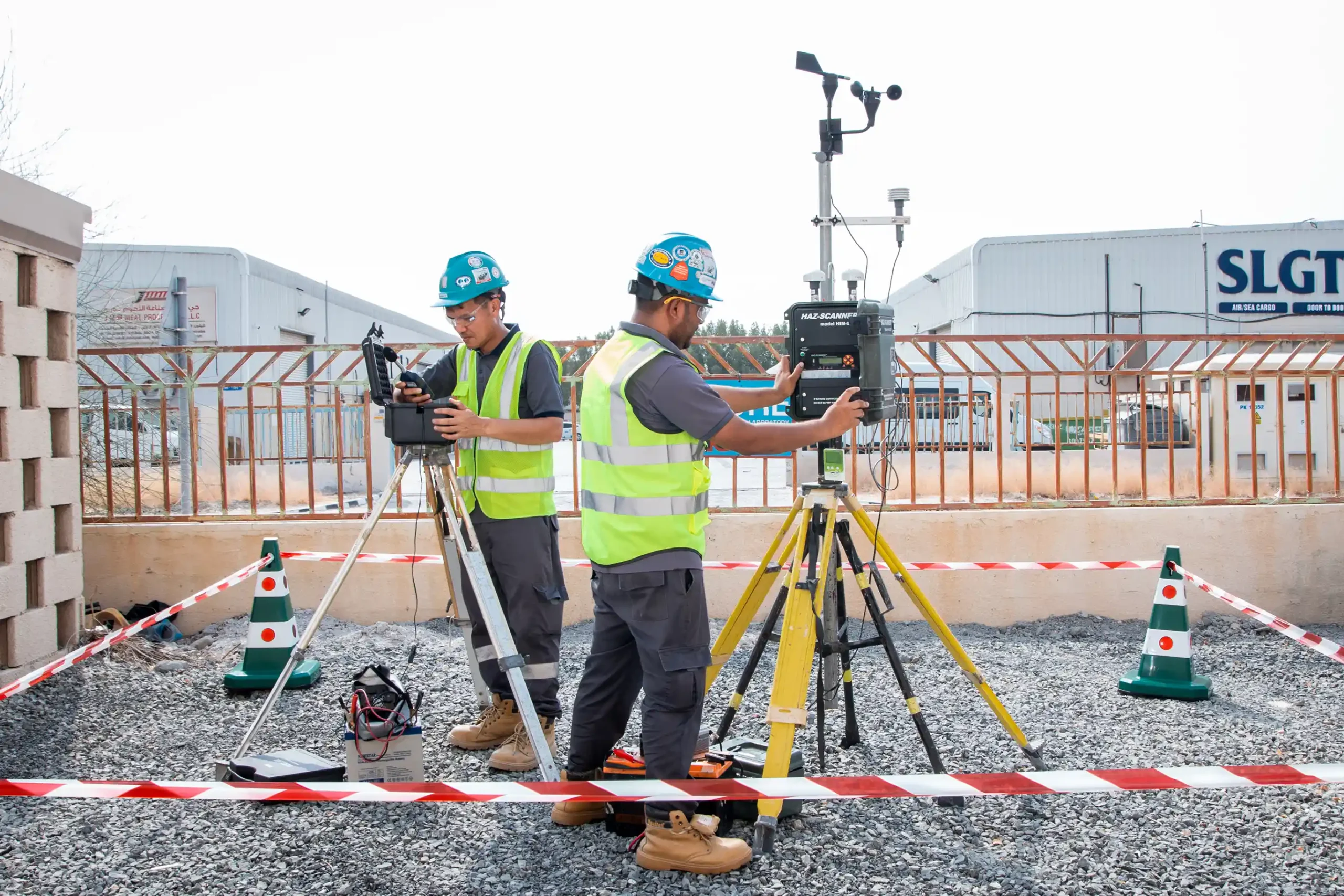
Hydrogen sulfide (H₂S) is a colorless gas with a distinct odor resembling rotten eggs. While its natural sources include volcanic emissions and decaying organic matter, it is also a byproduct of industrial processes like oil refining, sewage treatment, and gas production. Exposure to hydrogen sulfide can pose significant health risks, making accurate and reliable testing essential. In this ultimate guide, we will walk you through everything you need to know about conducting a hydrogen sulphide test to ensure safety and compliance.

Why Is Hydrogen Sulfide Testing Important?

Hydrogen sulfide is highly toxic and can be lethal at high concentrations. Even at low levels, prolonged exposure may lead to headaches, respiratory problems, and eye irritation. Testing for H₂S is crucial in:

  • Workplace Safety: Industries such as oil and gas, wastewater treatment, and mining often encounter H₂S. Regular testing ensures workers are not exposed to dangerous levels.
  • Environmental Monitoring: Detecting H₂S in the air helps mitigate its impact on ecosystems and communities.
  • Compliance with Regulations: Agencies like OSHA and EPA mandate hydrogen sulphide tests to ensure adherence to safety and environmental standards.

Methods for Testing Hydrogen Sulfide Levels in the Air

There are several reliable methods to conduct a hydrogen sulphide test. Each has its advantages, depending on the application and level of accuracy required.

1. Portable Gas Detectors

Portable gas detectors are handheld devices equipped with sensors that provide real-time H₂S level readings. These devices are:

  • User-Friendly: Easy to operate with minimal training.
  • Instantaneous: Provide immediate alerts if levels exceed the safety threshold.
  • Ideal For: Field inspections, confined spaces, and on-the-go monitoring.

2. Colorimetric Gas Detection Tubes

These tubes change color when exposed to hydrogen sulfide, allowing users to estimate its
concentration visually. Key features include:

  • Cost-Effectiveness: Affordable and suitable for periodic testing.
  • No Power Requirements: Operate without batteries or electricity.
  • Ideal For: Low-tech environments or emergency use.

3. Fixed Gas Monitoring Systems

Fixed systems are installed in industrial facilities to continuously monitor air quality. They offer:

  • 24/7 Monitoring: Provide constant surveillance of H₂S levels.
  • Integration: Often linked to alarm systems and ventilation controls.
  • Ideal For: High-risk areas like chemical plants and wastewater treatment facilities.

4. Air Sampling and Laboratory Analysis

This method involves collecting air samples and sending them to a lab for detailed analysis. It provides:

  • High Accuracy: Ideal for measuring trace amounts of H₂S.
  • Comprehensive Results: Identifies other potential contaminants.
  • Ideal For: Regulatory compliance and scientific studies.

Steps to Conduct a Hydrogen Sulphide Test

Follow these steps to perform a hydrogen sulphide test effectively:
  • Identify Testing Zones: Pinpoint areas where H₂S may be present, such as near equipment, storage tanks, or confined spaces.
  • Select the Right Method: Choose a testing method based on the accuracy needed and
    environmental conditions.
  • Calibrate Equipment: Ensure devices like gas detectors are calibrated according to the
    manufacturer’s specifications.
  • Perform the Test: Conduct the test following safety protocols and instructions for the chosen method.
  • Analyze Results: Compare findings with permissible exposure limits (PEL) to determine if
    corrective actions are required.

Best Practices for Hydrogen Sulfide Testing

  • Regular Testing: Schedule routine hydrogen sulphide tests to maintain safety and compliance.
  • Use Personal Protective Equipment (PPE): Wear appropriate PPE to minimize exposure during testing.
  • Document Results: Keep detailed records of test results for future reference and regulatory audits.
  • Train Employees: Ensure workers understand how to use testing equipment and respond to elevated H₂S levels.

Conclusion

Conducting a hydrogen sulphide test is essential for ensuring air quality and protecting health in both industrial and residential settings. By understanding the available testing methods and following best practices, you can effectively monitor H₂S levels and take timely action to mitigate risks. Prioritizing safety through regular testing not only safeguards lives but also ensures compliance with environmental and workplace standards.

Stay proactive—a well-executed hydrogen sulphide test can make all the difference.

Blog source: https://corelab.org/the-ultimate-guide-to-testing-hydrogen-sulfide-levels-in-the-air/

Share:

Tuesday, January 21, 2025

The Benefits and Challenges of Conducting an Environmental Impact Assessment for Large-Scale Projects

In today’s fast-paced world, large-scale projects are essential for economic growth and infrastructure development. However, such projects can significantly impact the environment. To strike a balance between development and sustainability, conducting an Environment Impact Assessment is crucial. This process helps identify potential environmental consequences and paves the way for mitigation strategies.

What is an Environment Impact Assessment?

An Environment Impact Assessment is a systematic process used to evaluate the environmental, social, and economic impacts of a proposed project. It ensures that decision-makers consider environmental implications before approving a project. EIAs are mandatory for many large-scale projects, such as industrial plants, highways, and energy facilities.

Benefits of Conducting an Environment Impact Assessment

  1. Promotes Sustainable Development

EIAs encourage sustainable development by identifying potential environmental risks early in the planning phase. This allows project developers to implement measures that minimize harm to ecosystems.

  1. Compliance with Legal and Regulatory Requirements

Most countries have stringent environmental laws requiring an EIA for large-scale projects. Completing an EIA ensures compliance with these regulations, reducing the risk of legal complications.

  1. Protects Natural Resources

By analyzing the potential impacts on air, water, soil, and biodiversity, EIAs help safeguard natural resources for future generations.

  1. Enhances Public Participation

The EIA process often involves public consultations, allowing communities to voice their concerns and contribute to decision-making. This promotes transparency and builds trust among stakeholders.

  1. Reduces Long-Term Costs

Addressing environmental risks during the planning phase can prevent costly damages and delays later in the project lifecycle.

Challenges of Conducting an Environment Impact Assessment

  1. Time-Consuming Process

An EIA can be a lengthy process, involving extensive data collection, analysis, and stakeholder consultations. This may delay project timelines.

  1. High Costs

Conducting a comprehensive EIA requires significant financial resources, including hiring experts and conducting field studies.

  1. Complexity of Assessments

Large-scale projects often involve multiple environmental factors, making the assessment process complex and challenging to manage.

  1. Resistance from Stakeholders

Some stakeholders may resist the EIA process, especially if they perceive it as a hurdle to project approval or economic development.

  1. Uncertainty in Predictions

Despite using advanced models and methodologies, predicting the exact environmental impact of a project can be challenging, leading to uncertainties.

Key Steps in the EIA Process

  1. Screening: Determining whether a project requires an EIA and the level of assessment needed.
  2. Scoping: Identifying the key environmental issues and setting the boundaries for the assessment.
  3. Impact Analysis: Evaluating the potential environmental, social, and economic impacts of the project.
  4. Mitigation Measures: Proposing strategies to avoid, reduce, or compensate for adverse impacts.
  5. Public Participation: Engaging with stakeholders to gather input and address concerns.
  6. Reporting: Preparing an Environmental Impact Statement (EIS) that summarizes findings and recommendations.
  7. Decision-Making: Reviewing the EIS and approving or rejecting the project.
  8. Monitoring and Compliance: Ensuring that mitigation measures are implemented and monitoring ongoing impacts.

Conclusion

Conducting an Environment Impact Assessment is a critical step for ensuring that large-scale projects are environmentally sustainable and socially responsible. While the process presents challenges such as time and cost constraints, its benefits far outweigh the drawbacks. By promoting transparency, compliance, and resource conservation, EIAs help developers make informed decisions that balance development with environmental protection.

For professional guidance on conducting an Environment Impact Assessment, reach out to CoreLab.org today and ensure your projects align with global sustainability standards.

Share:

Sunday, January 19, 2025

How to Ensure Clean and Safe Water: A Guide to Testing Pool, Home, and Tank Water

Access to clean and safe water is vital for our health and well-being. Whether it’s the water in your swimming pool, home, or building tank, ensuring it meets safety standards requires regular microbiological testing. Building Tank Water Microbiological Testing plays a crucial role in identifying and eliminating harmful pathogens that could compromise water quality. This guide outlines the importance of water testing and provides actionable steps to maintain water quality in various settings.

Why Water Testing is Essential

Contaminated water can pose serious health risks, including gastrointestinal infections, skin irritations, and more severe illnesses. Regular microbiological testing helps identify harmful bacteria, viruses, and other pathogens, ensuring that the water you use is safe for consumption and other purposes.

Building Tank Water Microbiological Testing

Building tank water serves as a primary source of water for many households and businesses. Over time, these tanks can become breeding grounds for bacteria due to stagnant water, debris, or poor maintenance. Microbiological testing ensures that the water is free from pathogens like E. coli, Legionella, and other harmful microorganisms.

Steps for Ensuring Safe Tank Water:

  1. Regular Cleaning: Schedule periodic cleaning of the tank to remove sediments and biofilm.
  2. Testing Frequency: Conduct microbiological testing at least twice a year or more frequently if contamination is suspected.
  3. Professional Testing Services: Use certified labs for reliable results and comprehensive water quality analysis.

Home Drinking Water Microbiological Testing

The water you drink at home directly impacts your health. Even if you use municipal water, contamination can occur through old pipelines or poorly maintained storage tanks.

Key Tips for Safe Drinking Water:

  • Test for Common Contaminants: Regularly test for bacteria, including coliforms and salmonella, to ensure safety.
  • Filter Maintenance: If you use water filters, clean and replace them as recommended by the manufacturer.
  • DIY vs. Professional Testing: While home testing kits are convenient, professional microbiological testing provides more accurate and detailed results.

Swimming Pool Water Microbiological Testing

Swimming pools are high-risk areas for microbial contamination due to constant exposure to external elements and human activity. Poor water quality in pools can lead to outbreaks of infections like swimmer’s ear, skin rashes, and gastrointestinal issues.

Best Practices for Pool Water Safety:

  1. Chlorine and pH Levels: Regularly monitor and adjust chlorine and pH levels to prevent bacterial growth.
  2. Routine Testing: Conduct microbiological testing monthly or more often during peak usage seasons.
  3. Shock Treatment: Periodically perform shock chlorination to eliminate persistent contaminants.

Benefits of Professional Water Testing

Using professional microbiological testing services offers several advantages:

  • Accuracy: Advanced methods ensure precise identification of contaminants.
  • Compliance: Helps meet regulatory standards for water safety.
  • Peace of Mind: Ensures the water you use is safe for your family, guests, or employees.

Conclusion

Maintaining clean and safe water in your swimming pool, home, or building tank is a responsibility that cannot be overlooked. By prioritizing Building Tank Water Microbiological Testing, Home Drinking Water Microbiological Testing, and Swimming Pool Water Microbiological Testing, you can protect the health of everyone who relies on your water supply. Schedule regular testing with a trusted lab and follow best practices to ensure the highest standards of water safety.

For reliable and comprehensive water testing services, contact CoreLab.org today and take the first step toward safeguarding your water quality.

Share:

Friday, January 17, 2025

A Comprehensive Guide to Hydrogen Sulphide Testing Methods

Hydrogen sulphide (H₂S) is a colorless gas with a distinct rotten egg smell, commonly found in industrial processes, wastewater systems, and natural gas production. Due to its toxic nature and potential to cause serious health and environmental risks, conducting a reliable Hydrogen Sulphide test is essential for safety and compliance. This guide explores various testing methods and their applications.

What is Hydrogen Sulphide?

Hydrogen sulphide is a naturally occurring gas often produced by the breakdown of organic matter in anaerobic conditions. It is highly toxic, flammable, and corrosive, making it critical to detect and monitor its presence in various environments, including:

  • Industrial facilities
  • Wastewater treatment plants
  • Natural gas extraction sites
  • Agricultural settings

Why Conduct a Hydrogen Sulphide Test?

Testing for hydrogen sulphide is vital for several reasons:

  1. Health and Safety: Prolonged exposure to H₂S can lead to serious health problems, including respiratory issues, eye irritation, and in high concentrations, it can be fatal.
  2. Environmental Protection: H₂S contributes to air pollution and poses risks to water systems.
  3. Compliance: Industries must adhere to environmental and occupational safety regulations, which often require regular monitoring of H₂S levels.

Common Hydrogen Sulphide Testing Methods

  1. Gas Detection Tubes

Gas detection tubes are one of the simplest methods for measuring hydrogen sulphide levels. They contain a chemical reagent that changes color when exposed to H₂S.

  • Advantages:
    • Portable and easy to use
    • Cost-effective for quick, on-site testing
  • Limitations:
    • Limited accuracy and sensitivity
    • Not suitable for continuous monitoring
  1. Electronic Gas Detectors

Electronic detectors are widely used for detecting H₂S in industrial settings. These devices use sensors, such as electrochemical or infrared, to measure gas concentration.

  • Advantages:
    • High accuracy and sensitivity
    • Real-time monitoring
    • Can be integrated into safety systems
  • Limitations:
    • Higher initial cost
    • Requires regular calibration and maintenance
  1. Wet Chemical Methods

These methods involve using chemical reagents to react with H₂S and quantify its concentration. Examples include the iodometric and methylene blue methods.

  • Advantages:
    • Suitable for laboratory analysis
    • Provides detailed results
  • Limitations:
    • Time-consuming
    • Requires specialized equipment and expertise
  1. Optical Methods

Optical techniques, such as UV-Vis spectroscopy, detect H₂S by measuring the absorbance of light at specific wavelengths.

  • Advantages:
    • High precision
    • Can detect low concentrations
  • Limitations:
    • Expensive equipment
    • Requires a controlled environment
  1. Colorimetric Test Kits

These kits use color change to indicate the presence of H₂S. They are often used for water testing.

  • Advantages:
    • Simple and user-friendly
    • Suitable for field applications
  • Limitations:
    • Limited accuracy
    • May not detect very low concentrations

Choosing the Right Method

The choice of a Hydrogen Sulphide test depends on several factors:

  1. Application: Is the test for air, water, or soil? Different methods are better suited for specific environments.
  2. Required Sensitivity: Determine the detection limits necessary for your application.
  3. Cost and Resources: Consider the budget and available equipment.
  4. Frequency of Testing: Choose a method that aligns with the need for periodic or continuous monitoring.

Best Practices for Hydrogen Sulphide Testing

  1. Regular Calibration: Ensure testing equipment is calibrated for accurate readings.
  2. Follow Manufacturer Guidelines: Adhere to instructions for test kits and equipment.
  3. Use Protective Gear: H₂S is hazardous; always use appropriate safety equipment.
  4. Engage Professionals: For complex testing needs, consult certified labs or specialists.

Conclusion

Conducting a reliable Hydrogen Sulphide test is crucial for ensuring safety, environmental protection, and regulatory compliance. By understanding the various testing methods and their applications, you can select the most suitable approach for your needs. Whether it’s a quick field test or a detailed laboratory analysis, prioritizing regular H₂S testing helps mitigate risks and promotes a safer environment.

For expert hydrogen sulphide testing services, reach out to CoreLab.org and ensure your workplace or facility remains compliant and safe.

Share:

BTemplates.com

Search This Blog

Powered by Blogger.