Sunday, December 15, 2024

The Importance of Regular Hydrogen Sulphide Testing in Industrial Settings

Industrial settings, especially those involved in oil and gas, wastewater treatment, and chemical production, are often exposed to hazardous substances. Among these, hydrogen sulphide (H2S) poses a significant risk due to its toxic and corrosive nature. Ensuring regular Hydrogen Sulphide testing is a critical step in safeguarding both workers and infrastructure. At Core Laboratory, we specialize in providing accurate and reliable hydrogen sulphide tests to help industries maintain safety and compliance.
Why is Hydrogen Sulphide Testing Important?

Hydrogen sulphide is a colorless gas known for its characteristic "rotten egg" smell. Despite its detectable odor at low concentrations, it can become deadly at higher levels, often without noticeable warning. Regular testing is essential for the following reasons:

  1. Health and Safety Prolonged exposure to H2S can cause severe health issues, including respiratory distress, dizziness, and even death. Regular Hydrogen Sulphide tests help identify hazardous concentrations, ensuring timely interventions to protect workers.
  2. Compliance with Regulations Many industrial regulations mandate strict monitoring of H2S levels to ensure a safe working environment. Compliance with these standards avoids legal repercussions and fosters a culture of safety within the organization.
  3. Corrosion Prevention Hydrogen Sulphide is highly corrosive and can damage pipelines, storage tanks, and other industrial equipment. Routine testing allows early detection, enabling maintenance teams to mitigate corrosion-related issues and extend equipment lifespan.
  4. Environmental Protection Industrial emissions containing H2S can harm the environment, particularly aquatic ecosystems. Regular testing ensures that emissions are within permissible limits, reducing the risk of environmental contamination.

How Does Core Laboratory Conduct Hydrogen Sulphide Tests?

At Core Laboratory, we use advanced methodologies and equipment to ensure accurate Hydrogen Sulphide testing. Our process includes:

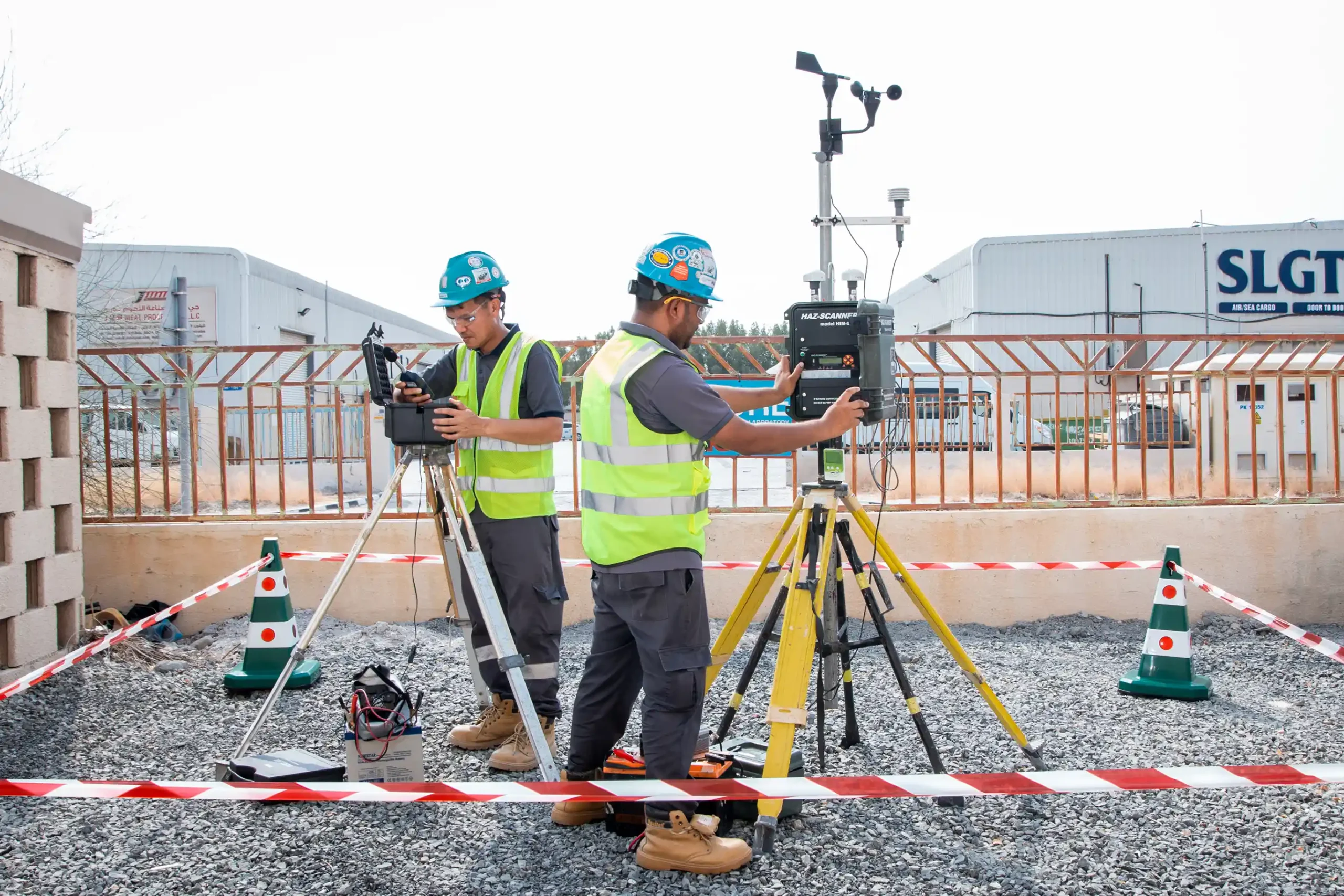
  • Air Quality Monitoring: We assess H2S levels in ambient air to determine the extent of exposure risk.
  • Sample Analysis: Using state-of-the-art instruments, we analyze gas samples for precise H2S concentration measurements.
  • Corrosion Risk Assessment: We evaluate the potential impact of detected H2S levels on industrial infrastructure.

Our expert team ensures that test results are delivered promptly, enabling clients to make informed decisions for workplace safety and compliance.

Benefits of Partnering with Core Laboratory

  1. Expertise and Precision With years of experience in industrial testing, Core Laboratory guarantees accurate and reliable Hydrogen Sulphide tests tailored to your operational needs.
  2. Compliance Support We help industries meet regulatory requirements by providing detailed reports and actionable insights.
  3. Customized Solutions Our testing services are designed to address specific challenges faced by different industries, ensuring comprehensive risk management.

Final Thoughts

Regular Hydrogen Sulphide testing is not just a regulatory requirement but a vital practice for ensuring safety, preventing equipment damage, and protecting the environment. By partnering with Core Laboratory, you can trust that your testing needs will be handled with the utmost professionalism and accuracy.

Contact Core Laboratory today to schedule your Hydrogen Sulphide test and take a proactive step toward a safer, more efficient industrial operation.
 

Share:

Thursday, December 12, 2024

What to Look for in an EIAC Approved Laboratory - A Comprehensive Guide

When it comes to ensuring quality and reliability in testing and calibration services, choosing an EIAC (Emirates International Accreditation Center) approved laboratory is crucial. These labs meet stringent international standards, ensuring trust and accuracy in their processes. Whether you’re in need of medical, environmental, or industrial testing services, knowing what to look for in an accredited laboratory can make all the difference.

Here’s a comprehensive guide to help you choose the right EIAC Emirates International Accreditation Center approved Laboratory for your needs:

  1. Accreditation Certificate

The first step is to verify the lab’s accreditation certificate. Laboratories approved by the EIAC are assessed according to international standards such as ISO/IEC 17025 for testing and calibration or ISO 15189 for medical laboratories. Ensure the certificate is valid and covers the specific scope of services you require.

  1. Scope of Services

Not all laboratories offer the same services. Review the lab’s scope of accreditation to ensure they provide the testing, analysis, or calibration services you need. EIAC-approved labs often specialize in areas such as:

  • Clinical diagnostics
  • Environmental testing
  • Food safety analysis
  • Industrial product testing

A clear understanding of their expertise will help you make an informed decision.

  1. Experienced and Qualified Staff

The quality of a laboratory’s results depends largely on the competence of its staff. EIAC-approved laboratories employ highly skilled professionals who undergo continuous training to maintain compliance with the latest standards. Ask about the team’s qualifications and experience to ensure reliability.

  1. Advanced Equipment and Technology

State-of-the-art equipment and advanced technology are essential for precise results. EIAC-approved laboratories are regularly audited to ensure their tools and instruments meet rigorous performance criteria. Ensure the lab you choose is equipped with up-to-date technology relevant to your testing needs.

  1. Commitment to Quality Assurance

Accredited laboratories follow strict quality assurance protocols to maintain the accuracy and consistency of their results. Look for labs that have robust quality management systems, including regular proficiency testing and internal audits.

  1. Timely Reporting and Customer Support

Timely and accurate reporting is a critical aspect of laboratory services. EIAC-approved laboratories are committed to delivering results within agreed timelines. Additionally, they should provide excellent customer support to address any concerns or queries you may have.

  1. Reputation and Client Reviews

Research the laboratory’s reputation by checking client reviews, testimonials, and case studies. A lab with a strong track record of reliable services and positive feedback is likely to meet your expectations.

Why Choose an EIAC Approved Laboratory?

The Emirates International Accreditation Center is a globally recognized body that upholds the highest standards of quality and competence. Choosing an EIAC-approved laboratory ensures:

  • Compliance with international standards
  • Reliable and accurate test results
  • Confidence in the safety and quality of products and services

Final Thoughts

Selecting the right EIAC Emirates International Accreditation Center approved laboratory requires careful consideration of their accreditation, expertise, equipment, and reputation. By Core Laboratory focusing on these key factors, you can ensure that your testing and analysis needs are met with the highest levels of accuracy and professionalism.

Whether for medical diagnostics, environmental analysis, or industrial testing, partnering with an EIAC-approved lab is a step towards quality and trust. Start your search today and experience the benefits of working with accredited experts.


Share:

Why the Hydrogen Sulphide Test is Essential for Accurate Detection

At CORE Laboratory, we understand the critical importance of accurate environmental monitoring in maintaining health, safety, and regulatory compliance. One of the most effective methods for detecting harmful gases in industrial and environmental settings is the Hydrogen Sulphide test. This simple yet powerful test plays a key role in identifying the presence of hydrogen sulphide (H₂S), a highly toxic and potentially dangerous gas.

What is Hydrogen Sulphide (H₂S)?

Hydrogen sulphide is a colorless, flammable gas with a distinct odor of rotten eggs. It is commonly found in industrial settings such as oil refineries, natural gas plants, and sewage systems, but can also be produced by decaying organic matter. Due to its toxic nature and the ability to cause serious health issues—including respiratory problems, headaches, and even death in high concentrations—detecting H₂S is crucial.

Why the Hydrogen Sulphide Test is Essential

  1. Safety First: Preventing Health Hazards One of the primary reasons for conducting a Hydrogen Sulphide test is to ensure the safety of workers and the general public. Even at low concentrations, exposure to H₂S can cause irritation to the eyes, nose, and throat. Prolonged exposure can lead to more severe respiratory conditions. By regularly testing for hydrogen sulphide, organizations can identify risks before they become life-threatening.
  2. Early Detection for Compliance Regulatory bodies like OSHA (Occupational Safety and Health Administration) and EPA (Environmental Protection Agency) have set strict limits on hydrogen sulphide exposure in the workplace and the environment. Regular Hydrogen Sulphide tests help businesses stay compliant with these regulations, avoiding hefty fines and ensuring that operations are in line with environmental standards.
  3. Protecting the Environment Beyond health risks, uncontrolled H₂S emissions can have devastating effects on the environment. Hydrogen sulphide is a potent contributor to air pollution, and excessive concentrations in the air can harm ecosystems, wildlife, and even vegetation. Early detection through the Hydrogen Sulphide test ensures that any potential leaks or emissions are detected promptly, minimizing environmental impact.
  4. Cost-Efficiency and Long-Term Benefits Investing in regular hydrogen sulphide testing is an investment in long-term cost savings. Detecting hydrogen sulphide leaks early allows for immediate corrective actions, preventing equipment damage, system failures, or costly shutdowns. Early detection can also prevent legal complications and damage to your brand’s reputation due to non-compliance or environmental accidents.

How CORE Laboratory Helps

At CORE Laboratory, we specialize in providing accurate and reliable Hydrogen Sulphide tests to help businesses monitor and control harmful gas emissions. Our state-of-the-art testing methods deliver fast, precise results, enabling you to act quickly and prevent potential hazards. Whether you're in the energy, manufacturing, or waste management industry, we offer tailored solutions to meet your specific environmental monitoring needs.

Conclusion

The Hydrogen Sulphide test is an essential tool for detecting one of the most dangerous gases in various industrial and environmental settings. By prioritizing safety, compliance, and environmental protection, businesses can ensure that they’re doing everything possible to safeguard their workers, operations, and the planet. At CORE Laboratory, we are committed to providing the highest-quality testing solutions to meet your environmental monitoring needs.

For more information on our Hydrogen Sulphide tests and how we can assist with your environmental monitoring, visit us at CORE Laboratory Environmental Monitoring.

Share:

Monday, December 9, 2024

Why Regular Water Testing is Essential for Pool, Home, and Tank Water Safety

Water is essential to our daily lives, whether it’s for drinking, swimming, or general household use. However, the quality of water can easily be compromised, leading to serious health risks and safety concerns. Whether you're managing a swimming pool, relying on home drinking water, or storing water in tanks, regular water testing is key to ensuring that the water you use remains safe, clean, and free from harmful contaminants.

In this blog, we will explore the importance of swimming pool water testing, home drinking water testing, and tank water testing, and how Core Laboratory plays a crucial role in ensuring the safety of your water with reliable and accurate testing services.

1. The Importance of Swimming Pool Water Testing

A swimming pool should be a place of relaxation and fun. However, improper water quality can quickly turn it into a health hazard. Swimming pool water testing is vital to ensure that your pool water stays safe for swimmers by maintaining the correct chemical balance.

Why Regular Pool Water Testing Is Crucial:

  • Health and Safety: Contaminated pool water can cause skin irritation, eye discomfort, and infections like swimmer’s ear. Ensuring the correct levels of chlorine and pH helps keep the water sanitized and safe.
  • Chemical Balance: Pool water requires the right balance of chemicals, including chlorine, pH, and alkalinity. Incorrect levels can damage your pool’s surface and equipment, resulting in costly repairs.
  • Prevent Algae and Bacteria Growth: Regular testing helps identify early signs of algae and harmful microorganisms, ensuring that your pool remains clean and safe for use.

2. Home Drinking Water Testing: Ensuring Safe Water for You and Your Family

Clean and safe drinking water is vital for your health. Whether you rely on tap water, well water, or use a filtration system, regular home drinking water testing is essential to detect harmful contaminants that may pose health risks.

Why Drinking Water Testing Is Essential:

  • Health Risks: Contaminants like lead, pesticides, bacteria, and heavy metals can make drinking water unsafe. Regular testing helps identify these risks and protects your family from potential health issues.
  • Water Quality Control: Even if your water source is treated, contamination can still occur from corroded pipes or improper filtration. Testing ensures your water is free from pollutants.
  • Taste and Odor Issues: Unpleasant tastes or odors may result from excessive chlorine, sulfur, or bacterial growth, which can be identified through testing and corrected for better water quality.

2. Home Drinking Water Testing: Ensuring Safe Water for You and Your Family

Clean and safe drinking water is vital for your health. Whether you rely on tap water, well water, or use a filtration system, regular home drinking water testing is essential to detect harmful contaminants that may pose health risks.

Why Drinking Water Testing Is Essential:

  • Health Risks: Contaminants like lead, pesticides, bacteria, and heavy metals can make drinking water unsafe. Regular testing helps identify these risks and protects your family from potential health issues.
  • Water Quality Control: Even if your water source is treated, contamination can still occur from corroded pipes or improper filtration. Testing ensures your water is free from pollutants.
  • Taste and Odor Issues: Unpleasant tastes or odors may result from excessive chlorine, sulfur, or bacterial growth, which can be identified through testing and corrected for better water quality.

3. Tank Water Testing: Ensuring Safe Stored Water

Whether it’s for drinking, irrigation, or other household uses, stored water in tanks needs regular testing to ensure that it remains safe. Tanks are especially prone to contamination due to stagnant water, debris, or external factors.

Why Regular Tank Water Testing Is Necessary:

  • Contamination Risks: Stored water can be contaminated by debris, animal waste, or bacteria. If not tested regularly, these contaminants can pose serious health risks.
  • Bacterial Growth Prevention: Stagnant water in tanks is prone to bacterial growth, including dangerous pathogens like E. coli. Testing can detect these harmful microorganisms early, preventing potential outbreaks.
  • Water Quality Control: Tank water can be affected by the tank’s material and condition. Improper maintenance can lead to issues such as rust, sediment buildup, or chemical leaching. Regular testing ensures the water stays pure and safe.

Why Choose Core Laboratory for Your Water Testing Needs?

Core Laboratory is dedicated to providing accurate, reliable, and comprehensive water testing services for swimming pools, home drinking water, and tank water. Here’s how we stand out:

  • Advanced Testing Technology: We use state-of-the-art equipment and advanced testing methods to deliver precise, trustworthy results.
  • Comprehensive Water Testing: Our testing covers a wide range of parameters, including bacteria, chemicals, heavy metals, pH levels, and more, tailored to each type of water source.
  • Quick and Efficient Turnaround: We offer fast and efficient water testing, ensuring you receive your results quickly to address any concerns promptly.
  • Compliance with Safety Standards: Our testing procedures meet local and international water safety regulations, ensuring that your water is in full compliance with health and safety standards.

Conclusion:

Whether it’s for your swimming pool, home drinking water, or stored tank water, ensuring safe and clean water is essential for health and well-being. Regular swimming pool water testing, home drinking water testing, and tank water testing help safeguard you and your family from harmful contaminants, ensuring the water you use is safe, clean, and free from pollutants.


Share:

Friday, December 6, 2024

The Complete Guide to Environmental Impact Assessment -EIA

As global awareness of environmental issues continues to grow, the importance of sustainable development has never been more critical. One essential tool in ensuring that development projects are environmentally responsible is the Environmental Impact Assessment (EIA). Whether you're involved in construction, infrastructure, or industrial projects, understanding the EIA process is crucial for mitigating adverse environmental effects and promoting sustainability.

In this comprehensive guide, we will walk you through the key aspects of an Environmental Impact Assessment, explain the steps involved, and highlight how Core Laboratory plays a vital role in ensuring accurate and reliable environmental testing during the EIA process.

What is an Environmental Impact Assessment (EIA)?

An Environmental Impact Assessment (EIA) is a process used to evaluate the potential environmental effects of a proposed development or project. The primary goal of an EIA is to ensure that decision-makers consider the environmental consequences before proceeding with development. It helps identify, predict, and evaluate the potential environmental impacts of a project and suggests measures to mitigate or avoid negative effects.

EIA is typically required for large-scale development projects that may have significant environmental consequences, such as construction of dams, highways, industrial plants, or mining operations. The process involves a comprehensive analysis of various environmental factors, such as air quality, water resources, biodiversity, and human health.

Key Steps in the Environmental Impact Assessment Process

The EIA process is structured in several stages, each aimed at gathering critical data, analyzing potential environmental impacts, and developing strategies to reduce harm. Here's a breakdown of the main steps involved:

  1. Screening

The first step in the EIA process is screening, which helps determine whether a project requires an Environmental Impact Assessment. Not all projects need a full EIA. Screening involves evaluating the type, scale, and location of the project to decide if an EIA is necessary.

  1. Scoping

After the decision to proceed with an EIA is made, the next step is scoping, which defines the key environmental issues and concerns that the assessment will address. This stage outlines the boundaries of the EIA, focusing on the most significant impacts and identifying the necessary studies and data collection.

  1. Impact Assessment

The core of the Environmental Impact Assessment process is the impact assessment phase. This is where the potential environmental impacts of the project are thoroughly evaluated. The assessment includes examining direct, indirect, cumulative, and residual impacts on the environment, as well as on local communities and wildlife.

  1. Mitigation Measures

Once potential environmental impacts are identified, the next step is to propose mitigation measures to reduce or eliminate negative effects. This could involve adjusting the project’s design, using cleaner technologies, or implementing restoration plans.

  1. Environmental Impact Report (EIR)

The results of the EIA, including the identified impacts, mitigation measures, and recommendations, are compiled into an Environmental Impact Report (EIR). This report is submitted to regulatory authorities for review and approval.

  1. Public Participation

A key part of the EIA process is engaging with the public and relevant stakeholders. Public participation allows local communities, environmental groups, and other interested parties to review the proposed project and its potential impacts. Feedback is gathered and considered during decision-making.

  1. Monitoring and Follow-up

After a project is approved and implemented, continuous monitoring is essential to ensure that mitigation measures are effective and that the project does not cause unforeseen environmental damage.

Why Is an EIA Important?

An Environmental Impact Assessment is crucial for several reasons:

  • Sustainable Development: By evaluating potential environmental impacts before a project begins, an EIA ensures that the development is sustainable, helping to preserve natural resources and ecosystems.
  • Risk Mitigation: Identifying environmental risks early allows for mitigation strategies that reduce long-term harm to the environment and minimize project delays or additional costs.
  • Regulatory Compliance: EIAs are often legally required. Adhering to EIA regulations ensures that a project complies with environmental laws and international standards.
  • Public Trust: A thorough EIA process builds trust with local communities and other stakeholders, showing that the project prioritizes environmental and social responsibility.

How Core Laboratory Supports the EIA Process

At Core Laboratory, we provide comprehensive environmental testing and analytical services that support every stage of the Environmental Impact Assessment process. Our team of experienced scientists and technicians works closely with developers, consultants, and regulatory bodies to ensure that projects comply with environmental regulations and meet sustainability goals.

Our services include:

  • Soil Testing
  • Water Quality Analysis
  • Air Quality Monitoring
  • Biodiversity Surveys
  • Environmental Data Analysis

By leveraging the latest laboratory technologies and industry expertise, Core Laboratory ensures that your EIA is based on accurate, reliable, and scientifically sound data.

Conclusion

The Environmental Impact Assessment (EIA) process is an essential tool for ensuring that development projects do not harm the environment and are sustainable in the long term. From screening and scoping to impact assessment and mitigation, each step plays a crucial role in safeguarding the planet.

By working with trusted partners like Core Laboratory, you can be confident that your EIA is based on accurate environmental data and scientific expertise. Whether you’re embarking on a large-scale infrastructure project or a smaller development, an effective EIA will help minimize environmental risks, improve regulatory compliance, and ensure that your project contributes to a more sustainable future.

Get in Touch with Core Laboratory

If you’re planning a development project and need professional environmental testing for your EIA, Core Laboratory is here to help. Contact us today to learn more about our services and how we can support your EIA process with reliable data and expert analysis.

Share:

Saturday, November 30, 2024

Meaning of Shelf Life in the Context of Environmental Impact Assessment – A Short Guide

Shelf life is a phrase commonly used when we talk about medicines or food, however, it can also play a significant importance in environmental research. In the context of Environmental Impact Assessment (EIAs), the term “shelf life” does not just refer to the time it takes for something to last until it is ruined but also refers to the duration for which an environmental report is valid until it requires the need for an update. This concept is crucial because environmental conditions and regulations can change over time, so the best or safest option currently might not be so in the long run.

Why Shelf Life Matters in Environmental Studies

Environmental studies provide a picture of the specific region being studied on a specific date. The “snapshot” shows the current situation of water, air and soil, as well as animals in the region. However, these conditions can’t remain the same for long due to factors such as industrialization, population growth as well as natural phenomena like flooding that can alter the balance of nature. If an EIA is outdated, it may no longer accurately reflect the current state of the location. This is the reason why the shelf-life of an EIA by Core Laboratory is crucial, it indicates when a review is necessary to ensure that decisions based on outdated information do not negatively affect the environment.

How the Shelf Life of an EIA is Decided

The lifespan of an EIA will be determined by several aspects, including the type of project, the degree of sensitivity to the surrounding environment, as well as the rate of change in environmental conditions within the area. For example, in the case of a risky project such as an industrial chemical plant located near a water source, is likely to have a shorter shelf life due to its potential impacts on the surrounding ecosystems. On the other hand, a project with lower risk, such as the development of a smaller park, may have a longer shelf life. The decision of the shelf-life for the Environment Impact Assessment is a complex process that involves comprehensive studies of both the project’s characteristics and environmental context.

When an EIA Needs to Be Renewed

Just like renewing your driving license following expiration, an EIA must be renewed once its validity period concludes. It is crucial to consider any changes that may have occurred in the natural environment before initiating a new plan. Renewing the EIA typically involves conducting new studies to gather current data on factors such as air and water quality, wildlife and the vicinity of human settlements. The new information helps to ensure that the proposed development won’t cause unintended negative impacts on local communities and the environment.

Challenges in Setting Shelf Life

Determining the appropriate shelf life of an EIA isn’t an easy task. Different ecosystems and regions respond to changes at varying rates. Some ecosystems can be fragile, and minor changes could have significant effects. For instance, in the coastal and forested areas the environmental conditions may experience significant environmental shifts within a couple of years. This is why it’s difficult to establish a consistent shelf time that is suitable for every type of project and places. The environmental and regulatory bodies of governments typically set these durations. This is the reason it’s crucial for them to be aware of recent environmental developments and dangers.

Blog source: https://corelab.org/meaning-of-shelf-life-in-the-context-of-environmental-impact-assessment-a-short-guide/

Share:

Thursday, November 28, 2024

The Benefits of the Hydrogen Sulphide Test

Water is essential as is its quality, so ensuring clean water is essential for healthy living and a top priority. Yet, analyzing water for contaminants can often be complex and expensive. This is why a particular kind of test is designed to detect specific types of bacteria in water. This simple and user-friendly test is cost-effective, accessible, and makes it an affordable option for everyone. Everyone around the globe, particularly in rural regions are benefited from this reliable test as it ensures that the water they drink is safe.

An Effective Way to Detect Harmful Bacteria

The most important benefit in using this test is its effectiveness in the detection of harmful bacteria. This test can identify the presence of bacteria that reveal other harmful bacteria in water, that also may indicate contamination from sewage sources, which can spread dangerous bacteria into the water sources. The Hydrogen Sulphide Test by Core Laboratory is an effective method for detecting harmful bacteria in drinking water and determining whether it could be affected. It serves as an excellent alarm system for those at risk of consuming unsafe water.

Accessible for Everyone, Even in Remote Areas

Contrary to some testing procedures that require specialized equipment or specialists, the hydrogen sulphide test can be performed by anyone, regardless of their location. It does not require any laboratory, so making it ideal for those living in rural areas or places without access to testing facilities. It is designed to be simple enough for individuals without any technical knowledge to utilize the Hydrogen Sulphide Test. It is a practical option for schools, villages as well as communities aiming to ensure their water is safe without incurring high costs.

Cost-effective and Eco-Friendly

One of the main positives of this exam is its affordability. Unlike many testing techniques that require expensive equipment and cannot be affordable to most people, this test has been specifically designed to be affordable so that the majority of people can take advantage of it. Furthermore, it consumes the least amount of resources, and creates less waste, making it a green alternative option. This aspect is crucial in regions where resources are limited, and garbage disposal is an issue.

Quick and Clear Results

The test provides rapid results, allowing for quick identification of potential problems. The results are usually available to the public within just a few days, which means individuals don’t have to wait long to determine if the water they drink is safe. This speedy turnaround can be beneficial in emergency situations or natural disasters, when water sources may become contaminated and require immediate assessment. The results are simple to comprehend, ensuring users can easily understand and do not have to fret about comprehending complex numbers or technical terminologies.

A Preventive Measure for Health

The most significant benefit from this test is that it helps protect the health of people. The contamination of water can trigger severe illnesses, particularly among vulnerable groups such as children, the elderly and those with weakened immune systems. Through regular water tests, communities can identify unsafe water early and take steps to safeguard themselves from diseases. It is an effective preventative measure, helping to prevent infections caused by waterborne bacteria as well as promoting a healthier living environment for everyone.

Blog source: https://corelab.org/the-benefits-of-the-hydrogen-sulphide-test/

Share:

BTemplates.com

Search This Blog

Powered by Blogger.