Friday, February 14, 2025

Top Methods for Accurate Helminth Ova Analysis

Introduction

Helminth ova analysis plays a critical role in environmental, clinical, and agricultural studies. Accurate detection and quantification of helminth eggs are essential for assessing contamination levels and ensuring public health safety. In this article, we explore the top methods used for precise Helminth Ova Analysis, highlighting their advantages and applications.
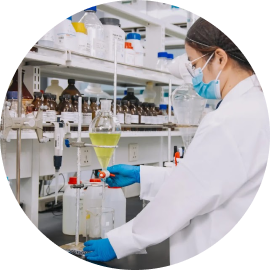
  1. Sedimentation Technique

The sedimentation method is widely used due to its simplicity and effectiveness in concentrating helminth eggs from liquid or soil samples.

Process:

  • A sample is mixed with a suitable diluent and allowed to settle.
  • The supernatant is removed, leaving behind a concentrated sediment.
  • The sediment is examined under a microscope for helminth ova identification.

Advantages:

  • Cost-effective and easy to perform.
  • Suitable for large-volume samples.

Limitations:

  • May not effectively recover all helminth ova types.
  • Requires trained personnel for accurate identification.
  1. Flotation Technique

Flotation is an effective method that utilizes density differences to separate helminth ova from debris.

Process:

  • A sample is mixed with a high-density solution (e.g., zinc sulfate or sodium nitrate).
  • Lighter helminth ova float to the surface while heavier particles sink.
  • The surface layer is collected and examined microscopically.

Advantages:

  • High sensitivity for light ova.
  • Rapid and efficient concentration.

Limitations:

  • Heavier helminth ova may not float efficiently.
  • Specific gravity adjustments are necessary for optimal recovery.
  1. Centrifugal Concentration Method

This method enhances ova recovery by using centrifugal force to separate helminth eggs from the sample matrix.

Process:

  • A sample is centrifuged at a predetermined speed.
  • The supernatant is discarded, and the sediment is collected.
  • The concentrated sample is analyzed under a microscope.

Advantages:

  • High recovery rate for various helminth species.
  • Reduces interference from debris.

Limitations:

  • Requires specialized centrifuge equipment.
  • Slightly more time-consuming than other methods.
  1. Molecular Techniques (PCR-Based Analysis)

Polymerase Chain Reaction (PCR) is a modern technique for detecting helminth ova with high specificity and sensitivity.

Process:

  • DNA is extracted from the sample.
  • PCR amplification targets specific helminth genetic markers.
  • The amplified DNA is analyzed for identification.

Advantages:

  • Extremely precise and species-specific.
  • Useful for detecting low ova concentrations.

Limitations:

  • Requires specialized equipment and trained personnel.
  • More expensive than traditional methods.
  1. Fluorescence Microscopy

Fluorescence microscopy enhances helminth ova detection by using fluorescent stains or dyes that bind to specific ova structures.

Process:

  • Samples are stained with fluorescent dyes.
  • Microscopic examination under UV light allows differentiation of ova from debris.

Advantages:

  • Improves contrast and visibility.
  • Reduces false-positive results.

Limitations:

  • Requires fluorescence microscope.
  • Some ova may not react well with stains.

Conclusion

Accurate Helminth Ova Analysis is crucial for environmental and public health monitoring. Traditional methods like sedimentation and flotation remain reliable for routine diagnostics, while advanced techniques like PCR and fluorescence microscopy offer enhanced accuracy for research applications. Choosing the right method depends on sample type, required sensitivity, and available resources.

For laboratories and research institutions, integrating a combination of these methods ensures comprehensive and precise analysis, contributing to better health and safety outcomes.

Share:

Thursday, February 13, 2025

The Importance of Chemical Testing in Ensuring Product Safety

In today’s fast-paced world, product safety is a top priority for manufacturers, consumers, and regulatory bodies alike. Whether it’s food and beverages, pharmaceuticals, cosmetics, or industrial chemicals, ensuring that a product is safe for use or consumption is crucial. One of the most reliable methods to guarantee product safety is chemical testing. To ensure accurate, reliable results, it’s essential to work with an accredited laboratory, such as an EIAC Emirates International Accreditation Center approved laboratory.

In this blog, we’ll explore the importance of chemical testing in product safety and explain why choosing an EIAC-approved laboratory is vital for quality assurance and regulatory compliance.

What is Chemical Testing?

Chemical testing refers to the process of analyzing a substance to determine its composition, chemical properties, and the presence of potentially harmful substances. These tests are critical to assess the safety, quality, and performance of products before they are sold or distributed.

For example:
  • Food products undergo chemical testing to check for contaminants, additives, and to confirm nutritional content.
  • Pharmaceuticals are tested for purity, potency, and safety to ensure they meet health
    standards.
  • Cosmetics are tested for harmful chemicals that could pose health risks.
  • Industrial materials are tested for corrosion resistance, durability, and overall performance.

Chemical testing helps identify any issues early, allowing manufacturers to correct them before products reach the market.

Why is Chemical Testing Crucial for Product Safety?

Identifying Contaminants and Harmful Substances

One of the most important reasons for chemical testing is to identify contaminants or harmful substances. For instance, in the food industry, tests can detect pesticides, heavy metals, or pathogens. In pharmaceuticals, testing ensures that drugs are free from toxins or impurities that could negatively affect consumer health.


EIAC-approved laboratories are equipped with the latest technology and adhere to stringent guidelines to provide highly accurate and reliable testing, ensuring that any hazardous materials are detected and reported.

Ensuring Regulatory Compliance

Every industry is governed by regulations that aim to protect consumers. For example, in the food industry, products must comply with FDA guidelines in the U.S. or EFSA standards in the EU. In pharmaceuticals, the World Health Organization (WHO) provides strict guidelines to ensure drugs are safe for consumption.

By choosing an EIAC Emirates International Accreditation Center approved laboratory, manufacturers can be confident that the testing process adheres to international standards and regulatory frameworks. This helps ensure that products meet the necessary legal requirements, reducing the risk of legal issues and recalls.

Enhancing Consumer Confidence

Consumers today are more concerned than ever about the safety of the products they buy. Whether it’s a health product, a food item, or industrial chemicals, people want assurance that what they are consuming or using is safe.

Having products tested in an EIAC-approved laboratory and displaying the results helps businesses build trust with consumers. It demonstrates a commitment to product safety, transparency, and quality, which can enhance brand reputation and encourage consumer loyalty.

Improving Product Quality

Chemical testing isn’t just about identifying harmful substances; it also plays a key role in improving overall product quality. By testing for specific ingredients, manufacturers can ensure consistency and optimal performance. This is especially important in industries like cosmetics, where ingredient formulations need to be precise.

Working with an EIAC-approved laboratory ensures that testing is done with the highest level of accuracy, enabling manufacturers to make necessary adjustments to improve product formulations and deliver high-quality products to the market.

Benefits of Choosing an EIAC-Approved Laboratory for Chemical Testing

EIAC Emirates International Accreditation Center is the leading accreditation body in the UAE, ensuring that laboratories meet internationally recognized standards of quality and competence. Here are the key benefits of choosing an EIAC-approved laboratory for chemical testing:

Accurate and Reliable Results EIAC-approved laboratories are subjected to rigorous assessments and regular audits, ensuring they consistently provide accurate and reliable test results. This is crucial for making informed decisions regarding product safety and quality.

Compliance with International Standards Laboratories accredited by the EIAC are compliant with global standards, such as ISO/IEC 17025, which guarantees that testing processes meet international requirements. This provides confidence to businesses that their products will meet regulatory requirements both locally and globally.

Advanced Testing Techniques EIAC-approved labs employ state-of-the-art technology and advanced testing methods. This includes techniques such as gas chromatography (GC), high-performance liquid chromatography (HPLC), mass spectrometry, and more, ensuring precise and comprehensive chemical analysis.

Transparency and Accountability Laboratories with EIAC accreditation are held to high standards of transparency and accountability. Regular audits and assessments ensure that testing processes are consistent and that laboratories provide detailed, accurate reports.

Faster Turnaround Times EIAC-approved laboratories are known for their efficiency. By using advanced technology and highly trained professionals, they can deliver test results faster, allowing businesses to proceed with manufacturing, distribution, or sales without unnecessary delays.

Conclusion

Chemical testing is a fundamental part of ensuring product safety across various industries. Whether you are manufacturing food, pharmaceuticals, cosmetics, or industrial products, chemical testing guarantees that your products meet the required safety standards, comply with regulations, and are free from harmful substances.

Choosing an EIAC Emirates International Accreditation Center approved laboratory for your chemical testing needs ensures that you are getting reliable, accurate results backed by international standards. It also helps you build consumer trust, avoid regulatory issues, and enhance the overall quality of your products.

Investing in chemical testing is not just about compliance—it’s about safeguarding your brand reputation and, most importantly, protecting the health and safety of your consumers. Make sure to partner with an EIAC-accredited lab to ensure your products are as safe and high-quality as they can be.

Blog source: https://corelab.org/the-importance-of-chemical-testing-in-ensuring-product-safety/

Share:

Friday, February 7, 2025

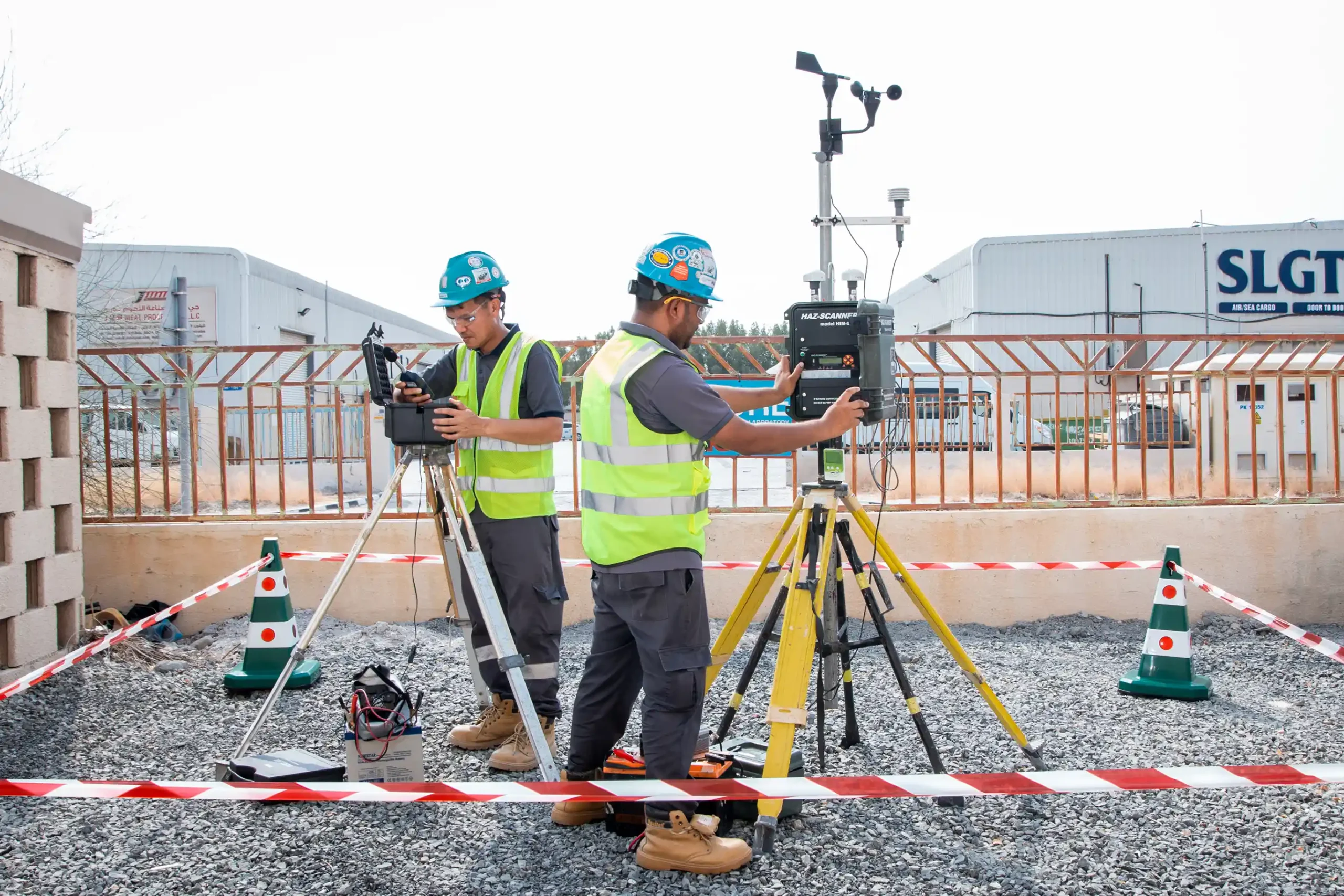
Environmental Impact Assessments and Their Role in Mitigating Climate Change

Introduction

Environmental impact assessment is a critical process that evaluates the potential environmental consequences of proposed projects before they are executed. By identifying and mitigating adverse effects, Environmental Impact Assessments play a significant role in sustainable development and climate change mitigation. This blog explores the importance of Environmental Impact Assessments and how they contribute to a healthier planet.

What is an Environmental Impact Assessment?

An environmental impact assessment is a systematic process used to predict the environmental effects of a proposed project. It ensures that environmental considerations are integrated into decision-making at an early stage. Environmental Impact Assessments help authorities, stakeholders, and project developers understand the potential impact of activities on air, water, land, and biodiversity.

The Importance of Environmental Impact Assessments in Climate Change Mitigation

Environmental Impact Assessments are instrumental in tackling climate change as they:

  1. Identify Environmental Risks – Environmental Impact Assessments assess potential emissions, deforestation, and resource depletion that contribute to global warming.
  2. Promote Sustainable Development – They help implement eco-friendly practices, such as renewable energy adoption and waste management strategies.
  3. Ensure Regulatory Compliance – Environmental Impact Assessments align projects with environmental laws and international climate policies, ensuring responsible development.
  4. Encourage Public Participation – Public and stakeholder engagement in Environmental Impact Assessments fosters transparency and accountability in environmental decision-making.
  5. Support Carbon Reduction Efforts – Environmental Impact Assessments promote energy efficiency and low-carbon technologies, reducing greenhouse gas emissions.

Key Steps in the Environmental Impact Assessment Process

  1. Screening – Determines whether a project requires a full Environmental Impact Assessment.
  2. Scoping – Identifies potential environmental impacts and necessary studies.
  3. Impact Assessment & Mitigation – Analyzes risks and proposes solutions to minimize harm.
  4. Public Consultation – Engages stakeholders for feedback and concerns.
  5. Decision-Making – Authorities review findings and approve or modify the project.
  6. Monitoring & Compliance – Ensures mitigation measures are effectively implemented.

Challenges and Future of Environmental Impact Assessments

Despite their benefits, Environmental Impact Assessments face challenges such as lengthy approval processes, inadequate enforcement, and limited public awareness. However, advancements in technology, artificial intelligence, and environmental policies are enhancing the efficiency and effectiveness of Environmental Impact Assessments in climate action.

Conclusion

Environmental Impact Assessments play a vital role in balancing development and environmental protection. By integrating climate-conscious strategies into project planning, Environmental Impact Assessments contribute significantly to global efforts in mitigating climate change. As environmental concerns grow, strengthening Environmental Impact Assessment frameworks will be crucial for a sustainable future.

Share:

Wednesday, February 5, 2025

Why the Hydrogen Sulphide Test is Essential for Accurate Detection

Introduction

Ensuring water quality and detecting harmful contaminants is crucial for public health and environmental safety. One of the most effective methods for identifying bacterial contamination in water is the Hydrogen Sulphide test. This test serves as a rapid, cost-effective, and reliable means to detect waterborne pathogens, particularly in areas with limited laboratory resources.

What is the Hydrogen Sulphide Test?

The Hydrogen Sulphide test is a simple and widely used method to determine microbial contamination in water. It detects the presence of hydrogen sulphide (H₂S)-producing bacteria, which are often associated with fecal contamination. When these bacteria are present, they react with iron compounds in the test medium, producing a black precipitate, indicating possible contamination.

Importance of the Hydrogen Sulphide Test

  1. Early Detection of Water Contamination

Contaminated water poses serious health risks, leading to diseases such as cholera, typhoid, and dysentery. The Hydrogen Sulphide test provides an early warning by detecting harmful bacteria before they reach dangerous levels.

  1. Cost-Effective and Easy to Use

Unlike complex laboratory tests, the Hydrogen Sulphide test is an affordable and straightforward alternative, making it ideal for rural and resource-limited areas. It requires minimal equipment and can be conducted without specialized training.

  1. Rapid Results for Quick Action

Traditional water quality testing methods can take days to deliver results, but the Hydrogen Sulphide test provides a visual indication within 24-48 hours, allowing for immediate corrective measures if contamination is detected.

  1. Reliable Indicator of Fecal Contamination

The presence of hydrogen sulphide-producing bacteria strongly correlates with fecal contamination, making this test a reliable indicator of potential health hazards in drinking water.

  1. Applicable in Various Water Sources

The Hydrogen Sulphide test can be used to monitor water quality in wells, lakes, rivers, and municipal water supplies. Its versatility makes it an essential tool for water safety assessment worldwide.

How Does the Hydrogen Sulphide Test Work?

  1. Sample Collection: A water sample is collected in a sterilized test bottle containing specific reagents.
  2. Incubation Period: The sample is kept at room temperature for 24-48 hours.
  3. Observation: If hydrogen sulphide-producing bacteria are present, the medium turns black, indicating contamination.

Conclusion

The Hydrogen Sulphide test plays a crucial role in ensuring safe drinking water by providing an easy, affordable, and reliable method for detecting microbial contamination. Its ability to deliver rapid results makes it indispensable for public health protection, especially in regions with limited access to advanced water testing facilities.

Regular water quality monitoring using the Hydrogen Sulphide test can prevent the outbreak of waterborne diseases and ensure a safer environment for all. Stay proactive in safeguarding water quality—because clean water is essential for a healthy life!

Share:

Monday, February 3, 2025

How Advances in Technology Are Transforming Environmental Impact Assessments

Introduction

In an era of rapid technological evolution, industries across the globe are leveraging cutting-edge innovations to enhance efficiency and sustainability. One area witnessing significant transformation is Environmental Impact Assessment. As environmental regulations tighten and sustainability becomes a core focus, technology is playing a crucial role in refining EIA processes, making them more accurate, efficient, and actionable.

The Role of Technology in Environmental Impact Assessment

Environmental Impact Assessment is a systematic process that evaluates the potential effects of projects on the environment. Traditional EIA methods often relied on manual data collection, field surveys, and expert predictions, which were time-consuming and sometimes inaccurate. However, technological advancements are reshaping these assessments in several key ways:

  1. Remote Sensing and Geographic Information Systems (GIS)

Remote sensing and GIS technologies have revolutionized EIA by providing accurate, real-time environmental data. These tools allow professionals to:

  • Monitor land-use changes through satellite imagery.
  • Assess biodiversity loss and deforestation trends.
  • Predict environmental risks using geospatial analytics.
  1. Artificial Intelligence (AI) and Big Data Analytics

AI-driven models are enhancing the efficiency of EIA by analyzing vast datasets and generating predictive insights. These advancements enable:

  • Faster processing of environmental data.
  • Improved accuracy in predicting long-term ecological impacts.
  • Automated risk assessments, reducing human error.
  1. Drones for Environmental Monitoring

Drones equipped with high-resolution cameras and sensors provide a cost-effective and efficient way to conduct environmental surveys. They offer:

  • Aerial mapping of project sites.
  • Real-time air and water quality assessments.
  • Non-intrusive monitoring of wildlife habitats.
  1. Blockchain for Data Transparency

Blockchain technology is being integrated into EIA processes to enhance transparency and accountability. It helps:

  • Secure environmental data records.
  • Prevent data manipulation.
  • Ensure compliance with environmental regulations.
  1. Internet of Things (IoT) and Smart Sensors

IoT-enabled smart sensors continuously collect real-time environmental data, which is crucial for:

  • Monitoring air and water pollution levels.
  • Tracking emissions from industrial sites.
  • Ensuring compliance with environmental standards.

Benefits of Technology-Driven EIA

The integration of technology in Environmental Impact Assessment offers numerous benefits, including:

  • Enhanced Accuracy: Reducing human error and improving data reliability.
  • Time Efficiency: Speeding up the assessment process and decision-making.
  • Cost Reduction: Lowering the costs of manual surveys and data collection.
  • Better Decision-Making: Providing stakeholders with precise, data-driven insights.

Future Trends in Environmental Impact Assessment Technology

Looking ahead, emerging technologies will continue to shape the future of EIA. Some key trends include:

  • AI-powered Environmental Modeling for real-time impact simulations.
  • Augmented Reality (AR) and Virtual Reality (VR) for immersive EIA presentations.
  • 5G Connectivity to facilitate instant data transfer and remote monitoring.

Conclusion

Advancements in technology are revolutionizing Environmental Impact Assessment, making it more efficient, transparent, and data-driven. As industries and governments embrace these innovations, EIA processes will become more reliable, ultimately fostering sustainable development while minimizing environmental risks.

By integrating the latest technologies, businesses can ensure regulatory compliance, reduce ecological footprints, and contribute to a more sustainable future. The transformation of EIA through technology is not just a trend—it is a necessity for responsible environmental stewardship.

Share:

BTemplates.com

Search This Blog

Powered by Blogger.